Article: Belgian Chocolate Traditions, Explained
Belgian Chocolate Traditions, Explained
Why Belgian chocolate still matters today
Belgian chocolate has a reputation that speaks for itself. Yet beyond the clichés, there is a very real reason it continues to be sought after — not because it follows trends, but because it has always valued balance over excess.
Belgian chocolate traditions are rooted in precision, restraint, and respect for ingredients. And that philosophy has changed very little over time.
A craft before a product
In Belgium, chocolate first developed as a craft, long before it became an industry. Early chocolatiers focused on mastering technique: roasting cocoa carefully, tempering chocolate to achieve a clean snap, and creating fillings that melt slowly rather than disappear instantly.
The goal was never to impress.
It was simply to get things right.
That mindset still defines quality Belgian chocolate today. What tastes effortless is often the result of meticulous work.
The praline: simplicity by design
The praline is often seen as Belgium’s signature chocolate, yet it was never meant to be extravagant.
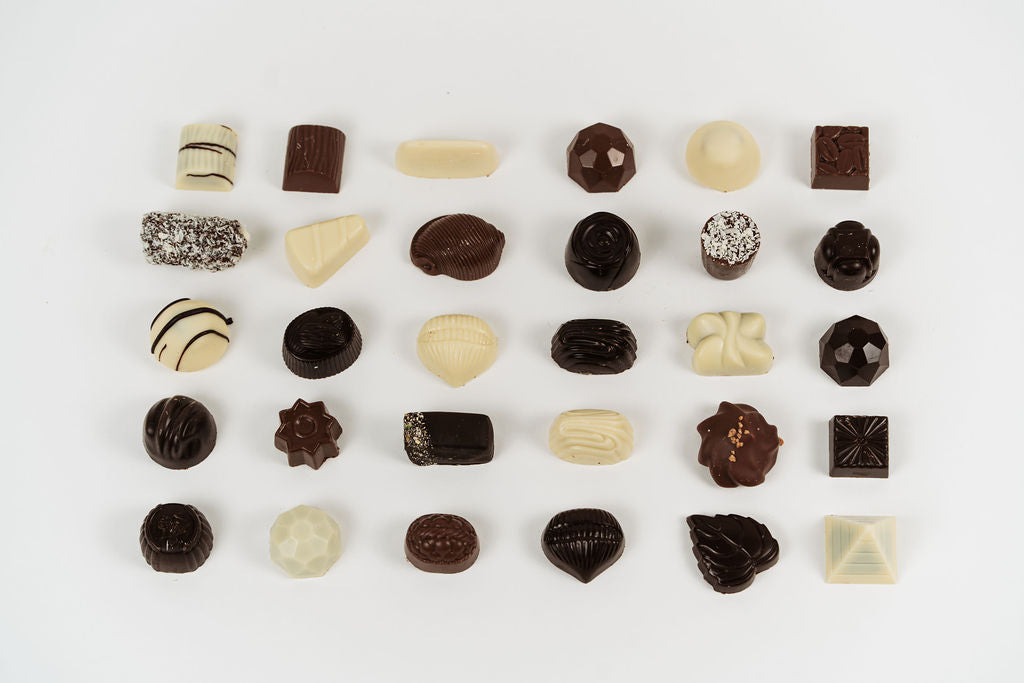
At its core, a praline is a thin chocolate shell protecting a carefully composed filling. Ganache. Praliné. A touch of butter or cream. Nothing more.
Everything happens in the moment of tasting:
- the clean break of the shell,
- the gradual release of the filling,
- flavours that never compete with one another.
This balance is intentional — and it’s what many Belgian chocolatiers continue to defend, even as trends move toward bigger, sweeter, more theatrical creations.
Why artisanal methods still matter
True Belgian chocolate traditions rely on time and attention. Small batches. Hand-filled moulds. Fresh fillings prepared in limited quantities.
These methods are slower, but they offer control — over texture, flavour, and freshness. They also allow for adjustment, which is essential when consistency matters.
It is this approach that we choose to support at Péché Mignon: chocolates made with patience, not shortcuts.
Ingredients without distraction
Belgian chocolate has never relied on heavy flavourings or excessive sugar to stand out. Quality cocoa, proper cocoa butter, and restrained sweetness allow flavours to remain clear and recognisable.
The result is chocolate that feels rich without being heavy, indulgent without becoming tiring. Chocolate you can enjoy slowly — and return to.
Chocolate as a gesture
In Belgium, chocolate is rarely just for oneself. It is brought when visiting friends, offered as a thank-you, or chosen as a thoughtful gift.
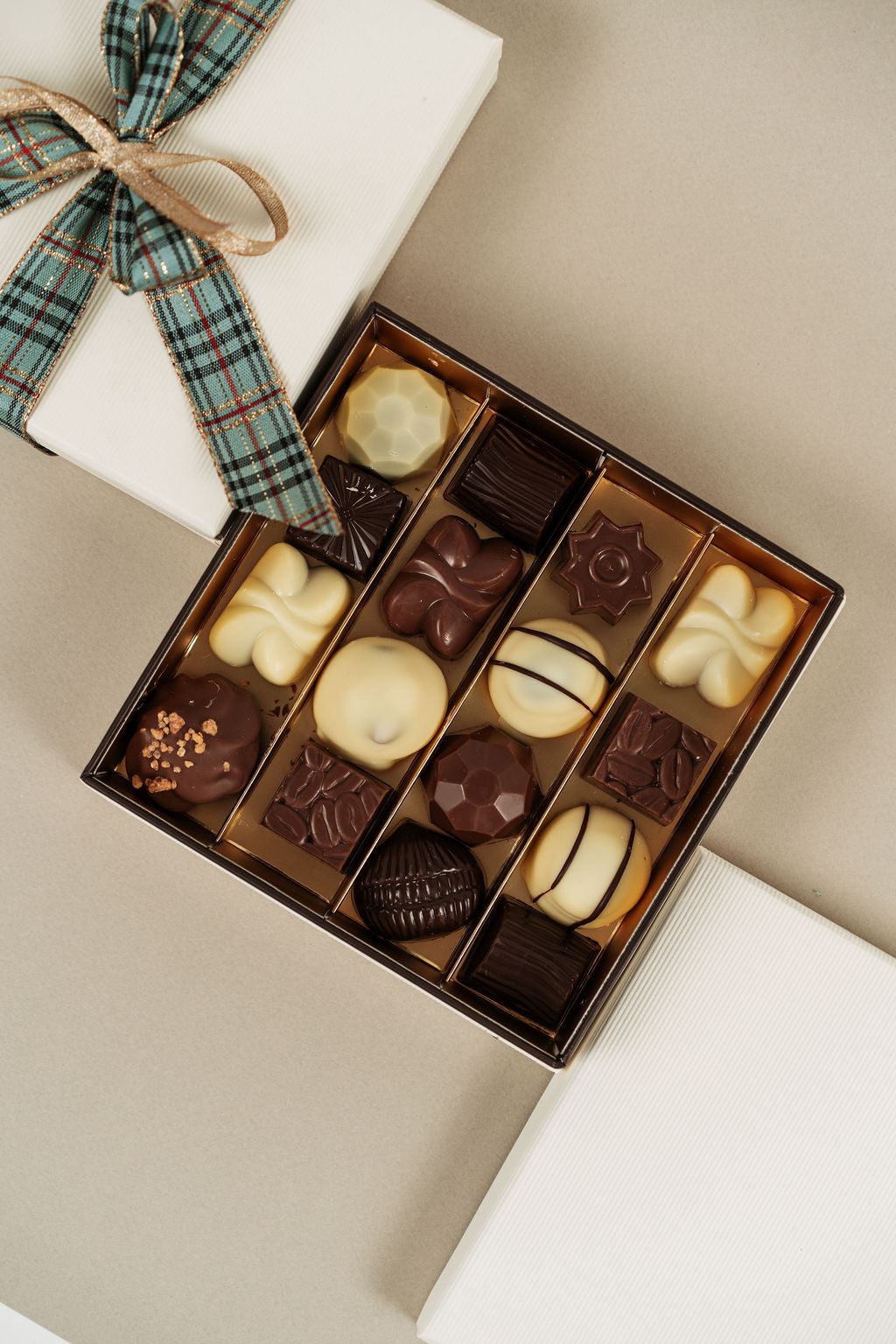
This culture of gifting explains why presentation matters as much as what’s inside. Assortments are curated. Boxes are carefully composed. There is intention behind every selection.
Chocolate is meant to be shared — or at least offered.
A tradition that remains relevant
Belgian chocolate continues to evolve. Textures become lighter, flavours more refined, and collections follow the seasons. Yet the foundation remains unchanged: precision, balance, and respect for the craft.
That is why Belgian chocolate still holds its place today.
Not because it tries to impress — but because it doesn’t need to.